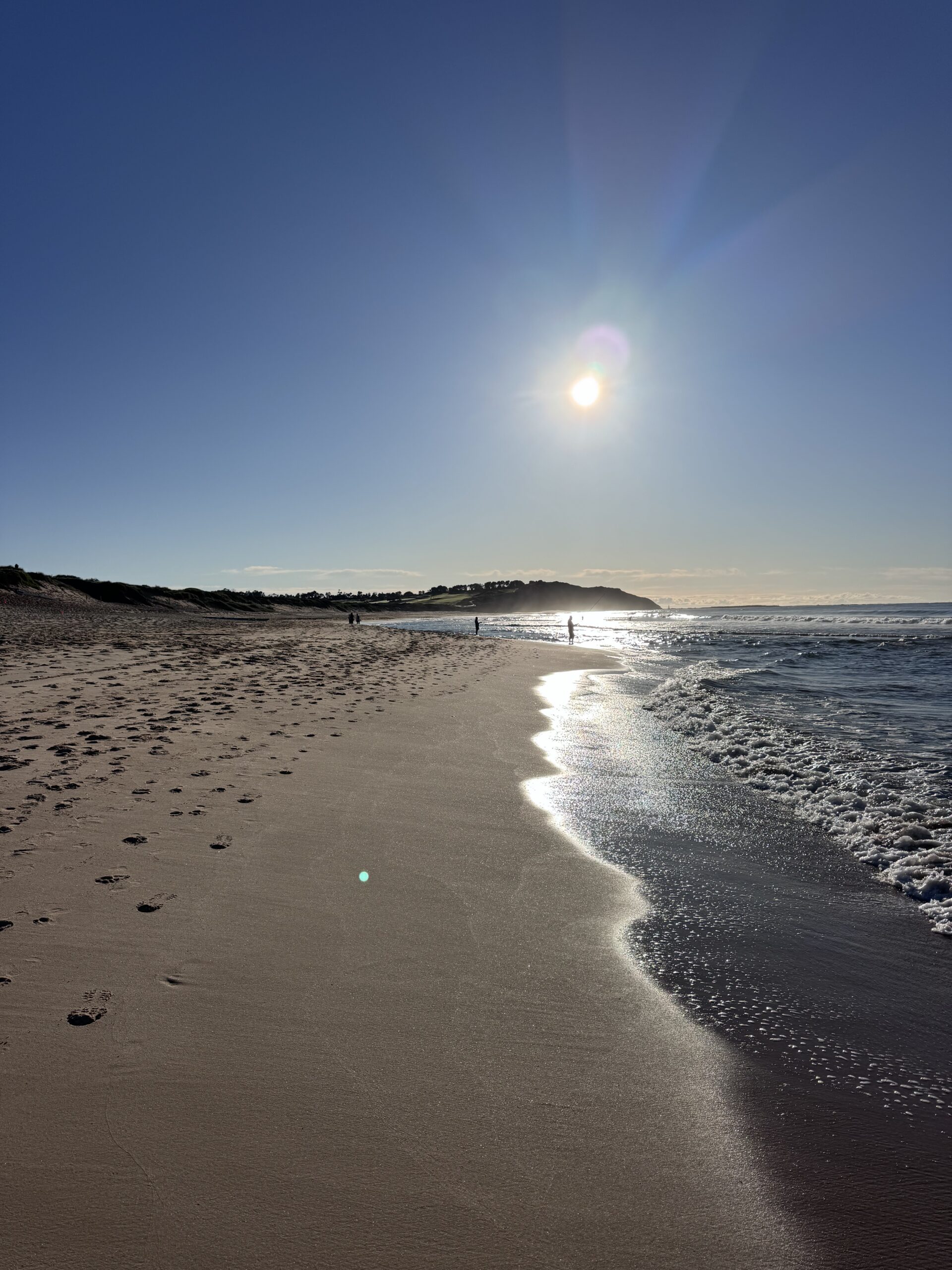
Welcome to the serene world of coastal photography, where the beauty of Australia’s coastline serves as a picturesque backdrop for your next creative endeavour. This comprehensive coastal photography guide is designed to take you from enthusiastic beginner to confident shooter with a series of easy-to-follow steps.
Understanding the Magic of Coastal Photography
Coastal photography offers a unique opportunity to capture the stunning interplay of water, sky, and land. The dynamic nature of the ocean, combined with Australia’s vibrant light, presents photographers with endless creative possibilities. However, capturing these moments requires patience, the right equipment, and a keen eye for composition.
The Key to Stunning Shots: Timing and Light
The magic of coastal photography often lies in capturing the transition of light. Sunrise and sunset — the golden and blue hours — are particularly popular because of their soft, warm light. Here’s why timing and light matter:
- Golden Hour: Occurs shortly after sunrise or before sunset, offering warm, diffused light that enhances colours.
- Blue Hour: The twilight period just before sunrise or after sunset where the sky is a vibrant blue hue, perfect for dramatic shots.
Step-by-Step Coastal Photography Guide
Embark on your coastal photography journey with these structured steps, ensuring you come home with breathtaking images every time.
Step 1: Essential Gear Preparation
Investing in the right equipment can make a significant difference. Here’s a checklist for your coastal photography gear:
- Camera: A DSLR or mirrorless camera offers flexibility and quality.
- Lenses: A wide-angle lens is essential for landscapes, while a telephoto lens helps capture distant details and wildlife.
- Tripod: Essential for stability during long-exposure shots.
- Filters: ND (neutral density) filters are crucial for managing bright light and capturing long exposures.
- Weatherproof Bag: Protects your gear from sand and moisture.
Step 2: Mastering Composition Techniques
Composition is the art of arranging elements within your frame. By mastering a few key principles, you can drastically improve your photographs:
- Rule of Thirds: Divide your frame into thirds, both horizontally and vertically, and place your subject along these lines or at their intersections.
- Leading Lines: Use natural lines like waves or rock formations to guide the viewer’s eye to the subject.
- Foreground Interest: Include elements in the foreground to create depth.
Step 3: Settings for Success
Adjusting your camera settings according to the conditions will ensure you capture the best quality images:
- Aperture: Use a smaller aperture (f/8-f/11) for landscapes to ensure a greater depth of field.
- Shutter Speed: Experiment with slower speeds (1/15s or slower) to capture moving water in a silky, dreamy effect.
- ISO: Keep it as low as possible (ISO 100-200) to reduce noise.
Step 4: Planning and Scouting Locations
Planning your shoot ahead can make a world of difference. Here are some Australian coastal gems to consider:
- Bondi Beach, Sydney: Renowned for its sweeping views and bustling atmosphere.
- Manly Beach, Northern Beaches: Offers a picturesque ocean pool and incredible sunrise views.
- The Twelve Apostles, Victoria: Famous limestone stacks that create stunning silhouettes as the sun sets.
For those looking to discover hidden gems, using a Zipli car share makes reaching less accessible spots much simpler. It provides flexibility and the capacity to transport gear safely.
Step 5: Ethical and Responsible Photography
Respecting the environment and local culture is paramount. Here’s how to ensure responsible photography:
- Avoid disrupting wildlife and stick to marked paths.
- Respect local regulations and weather warnings.
- Leave no trace: Take nothing but photos, leave nothing but footprints.
Post-Processing: Bringing Your Images to Life
After capturing your images, refining them through post-processing can enhance your final output. Here are some tips for editing:
- Adjust Lighting and Contrast: Balance the exposure and contrast to highlight details.
- Colour Correction: Enhance the vibrancy while maintaining natural tones.
- Sharpening: Apply slight sharpening to bring out intricate details.
Final Thoughts
Coastal photography in Australia offers both challenges and immense rewards. The varied landscapes, coupled with the unique quality of light, provide endless opportunities for creative expression. By following this step-by-step coastal photography guide, you can transform your shoots into a seamless and enjoyable experience. Remember, preparation and respect for the environment are just as crucial as technical skills.
For a stress-free photography trip, consider using a Zipli car to transport your equipment and explore Australia’s vast coastline comfortably. Dive into your next coastal adventure, capture stunning views, and let your photographs tell a story that transcends words.

Chris Evans
Photography & Coastal Stories Writer
Photography guides and visual stories inspired by Australia’s coastline.
 ELECTRIC
 ELECTRIC
 ECO HATCH
 ECO HATCH
 LUXURY
Save on Your Next Rental!
Premium car sharing on Sydney’s Northern Beaches
