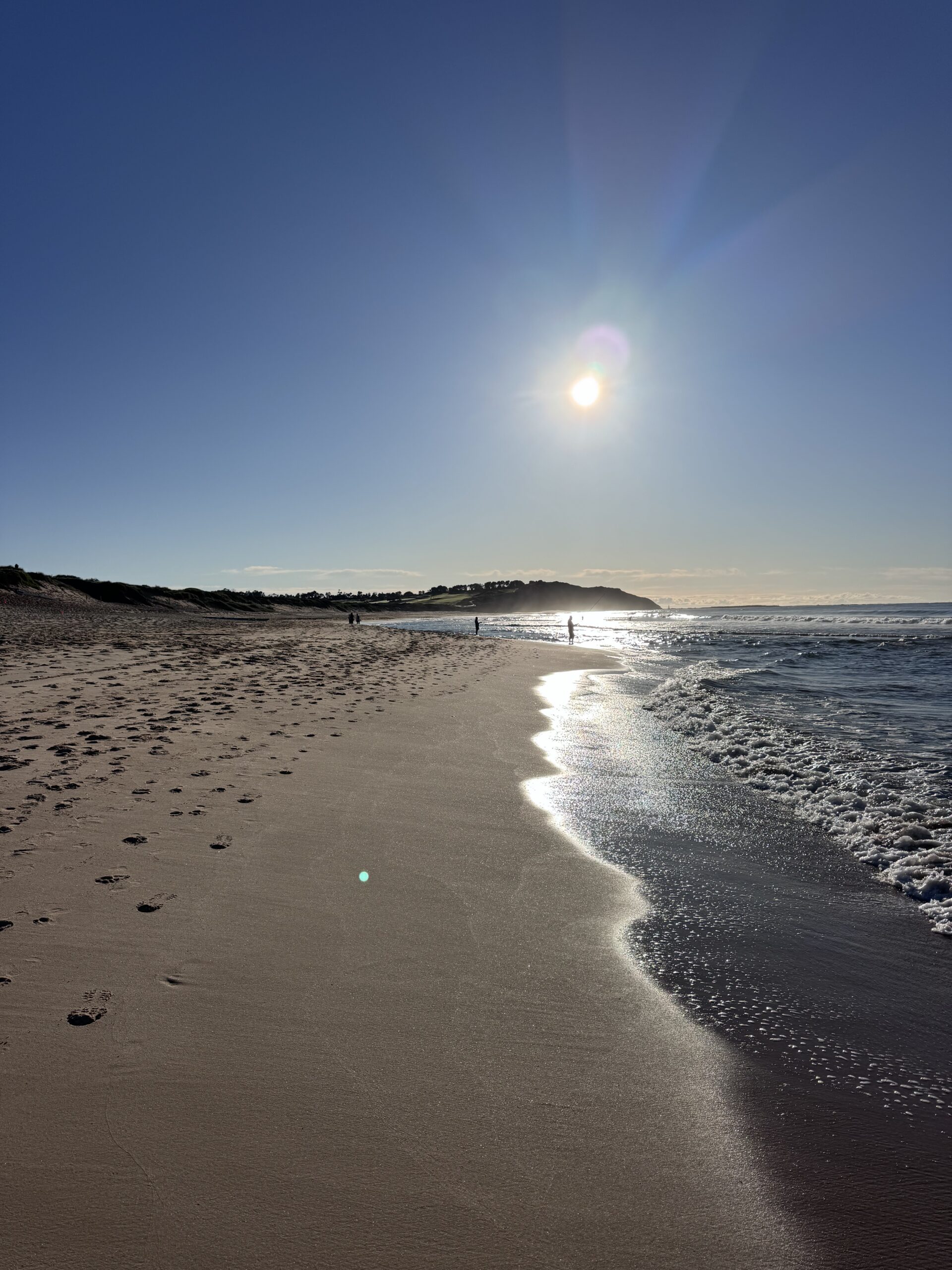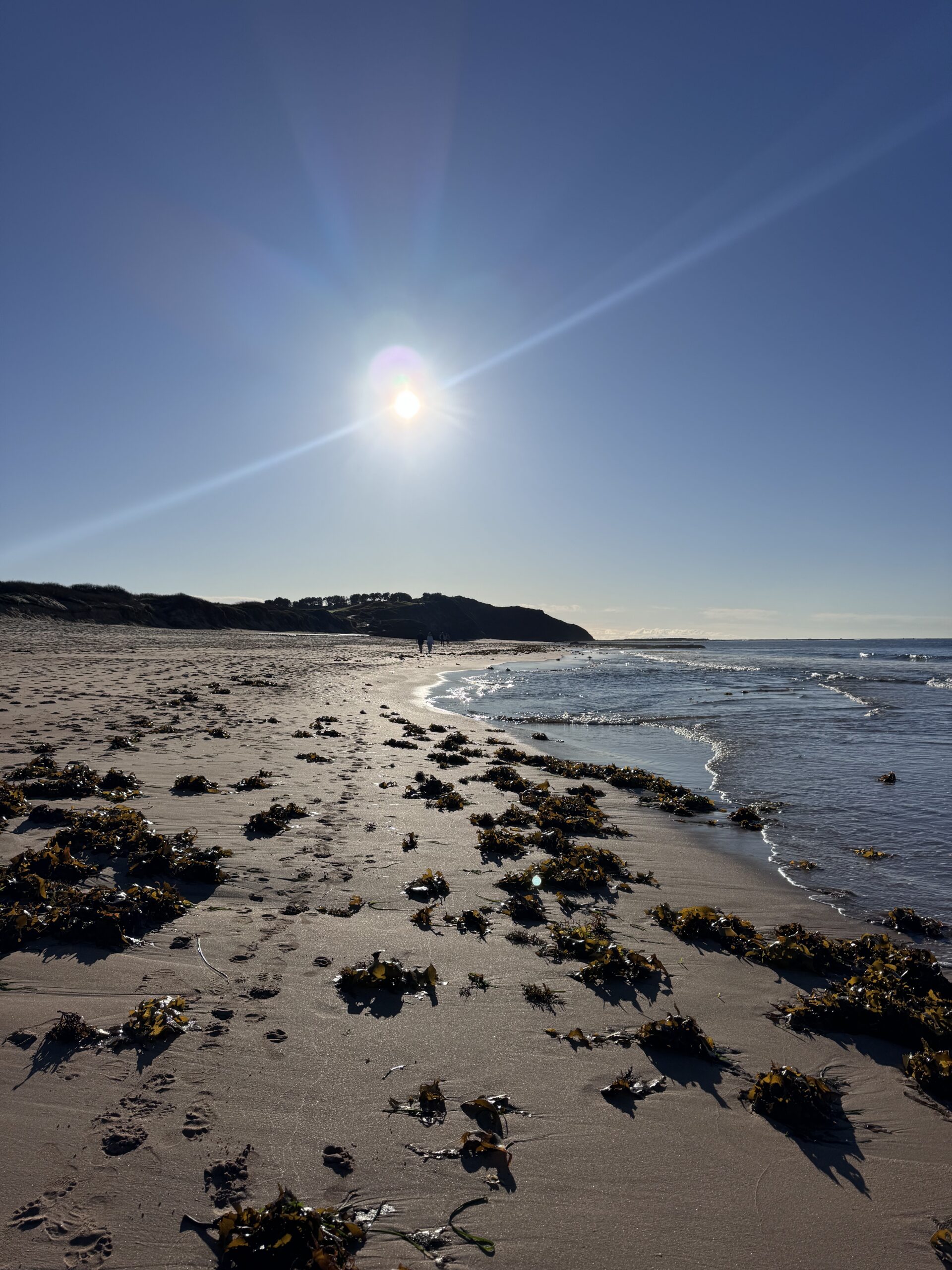
Photography is a captivating way to see the world, and Australia’s coastline offers endless opportunities for stunning images. From serene beaches to dramatic headlands, there is much to capture. Here are the top 10 Australian photography tips to inspire your coastal photo journeys.
1. Embrace the “Golden Hour” for Stunning Shots
The golden hour, occurring shortly after sunrise or before sunset, bathes the world in a warm glow, ideal for photography. This time offers softer shadows and dramatic skies, enriching your compositions. In coastal areas like Manly Beach or Bondi, the light can transform the ocean’s blues and the sand’s textures, creating breathtaking imagery.
Utilising the Golden Hour
- Time Your Arrival: Arrive at least 30 minutes before sunrise or sunset.
- Check Weather Conditions: Clear skies enhance the golden tones.
- Experiment with Angles: Focus on silhouette shots against the sun.
2. Master Composition with the Rule of Thirds
Using the rule of thirds can enhance your photo’s composition, drawing the viewer’s eye naturally to the points of interest. Imagine dividing your image into nine equal sections using two equally spaced horizontal and two vertical lines.
Applying the Rule of Thirds
- Position Key Elements: Place the horizon along a horizontal line for balanced landscapes.
- Feature Points of Interest: Align sunsets or surfers at the intersecting points for dynamic photos.
3. Capture Dynamic Movement in the Ocean
Photographing water movement can be both challenging and rewarding. Using slower shutter speeds can create a soft, silky effect in waves, while faster speeds freeze the action, capturing the sea’s power.
Shooting Ocean Movement
- Use a Neutral Density Filter: Helps achieve longer exposures in bright conditions.
- Stabilise Your Camera: A tripod is essential for long exposures.
- Experiment with Shutter Speeds: Try different speeds for varied effects.
4. Discover Unique Landscapes Along Coastal Walks
Australia’s coastal walks, such as the Bondi to Coogee track, provide diverse landscapes and photo opportunities. From rugged cliffs to native flora, these paths reveal hidden gems at every bend.
Planning Your Coastal Walk Shots
- Scout Locations: Explore the trail beforehand to find unique perspectives.
- Pack Light Yet Smart: Bring versatile gear to suit varied landscapes.
- Stay Safe: Be mindful of tides and weather conditions when venturing near cliffs.
5. Highlight Local Wildlife in Natural Habitats
Australia’s coasts are teeming with wildlife. Capturing a playful pod of dolphins or a curious kangaroo against a beach backdrop adds a narrative layer to your photos.
Wildlife Photography Tips
- Understand Animal Behaviour: Research typical habits to anticipate movements.
- Use a Telephoto Lens: Essential for maintaining a respectful distance.
- Stay Quiet & Patient: Animals are more approachable if undisturbed.
6. Enhance Your Shots with Editing Software
Post-processing allows you to refine your images, ensuring they represent your artistic vision. Software such as Lightroom or Photoshop offers powerful tools to adjust exposure, enhance colours, and sharpen details.
Key Editing Techniques
- Correct White Balance: Ensure natural colours, particularly in sunrise/sunset shots.
- Boost Contrast and Clarity: Add depth to landscapes, highlighting textures.
- Crop for Impact: Refine your composition by trimming distractions.
7. Use Natural Light Creatively
Navigating the varied light conditions of a coastal environment can deepen your photography skills. Harness reflections, backlighting, or shadows to add drama and intrigue to your images.
Lighting Tricks
- Utilise Reflections: Capture reflection off water for symmetry.
- Embrace Backlighting: Backlight subjects to create silhouettes and highlights.
- Play with Shadows: Use long shadows for texture and depth.
8. Experiment with Long Exposure Techniques
Long exposure photography reveals a different view, especially on the coast. This technique smooths ocean waves and trails moving clouds, creating ethereal scenes.
Steps for Long Exposure
- Embrace Blue Hour: Shoot during twilight for calm blue tones.
- Neutral Density Filters: Essential for reducing light intake.
- Maintain Stability: Use a sturdy tripod to avoid blur.
9. Include Human Element for Scale
Incorporating people in your photos offers context and scale, highlighting the vastness and grandeur of coastal landscapes. A lone surfer or wanderer can add focus and relatability to an image.
Incorporating People Creatively
- Position Wisely: Place humans at the intersections (rule of thirds) for balance.
- Natural Poses: Capture candid moments for authenticity.
10. Plan with Zipli for Seamless Travel
A successful coastal shoot begins with practical logistics. Renting a vehicle from Zipli can enhance your photo adventure by ensuring easy transport of gear and access to remote locations.
Benefits of Using Zipli Car Share
- Carry Essential Gear: Transport tripods, lenses, and more with ease.
- Early Start: Arriving at dawn is often difficult via public transport.
- Reach Remote Spots: Access secluded beaches and headlands effortlessly with a vehicle.
Final Thoughts
With each click of the shutter, you are not just capturing an image, but crafting a story. Use these Australian photography tips to enrich your coastal experiences and showcase the natural beauty that Australia offers. Whether you’re exploring with a camera in hand or need efficient transport, planning every step will amplify your photographic journey. Happy snapping!

Chris Evans
Photography & Coastal Stories Writer
Photography guides and visual stories inspired by Australia’s coastline.
 ELECTRIC
 ELECTRIC
 ECO HATCH
 ECO HATCH
 LUXURY
Save on Your Next Rental!
Premium car sharing on Sydney’s Northern Beaches